Ice Dams on Chicago Roofs: Causes, Damage, Prevention, and When to Replace
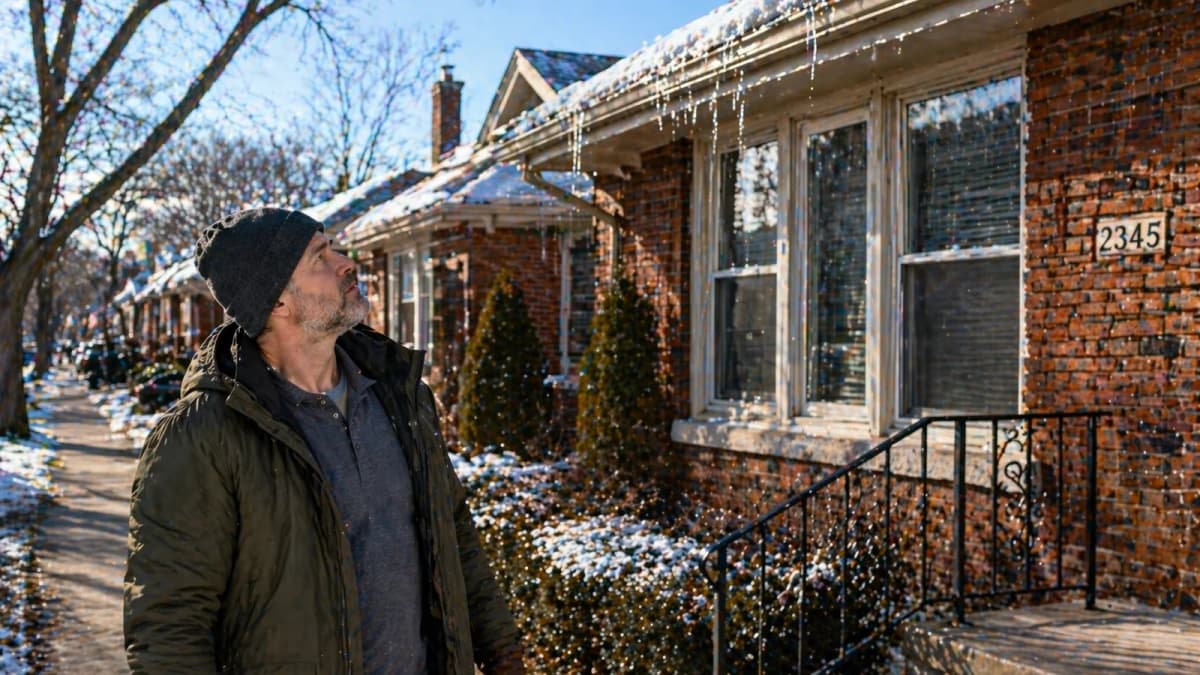
Ice dams on Chicago roofs form when warm attic air melts snow on the upper roof while cold eaves refreeze the runoff, creating a ridge of ice that backs water up under the shingles. The fix is never at the roof edge where the ice forms. It starts inside the attic with proper R-49 to R-60 insulation, balanced soffit-to-ridge ventilation, and air sealing of heat leaks from the living space below. Steam removal from a licensed Chicago contractor at $800 to $2,400 is the only safe emergency response. Chipping with hammers, pressure washers, or DIY methods typically damages shingles worse than the ice dam itself.
Bottom line: ice dams are an attic problem, not a roof problem. If you see one forming, call a licensed Chicago contractor for steam removal ($800 to $2,400) and fix the underlying cause before next winter with R-49 to R-60 attic insulation, balanced ventilation, and air sealing.
- R-49 is Chicago code minimum for attic insulation (Climate Zone 5, Illinois Energy Conservation Code). R-60 is strongly recommended for reliable ice dam prevention.
- Attic ventilation ratio: 1 sq ft of net free ventilation per 150 sq ft of attic floor area, balanced between soffit intake and ridge exhaust.
- Steam removal is the only safe method. Professional Chicago rate is $800 to $2,400 per event, typically $1,500 for an average home. Chipping, hammering, and pressure washers damage shingles.
- Ice and Water Shield at eaves is Chicago code (IRC R905.1.2), extending at least 24 inches past the warm wall. This is a barrier, not a prevention method.
- Heat cables ($8 to $15 per linear foot installed) are a last-resort palliative for homes where full attic upgrades are not feasible. They do not fix the underlying cause.
- Insurance covers ice dam damage, typically under the dwelling policy, but usually does not cover the preventative removal itself. Document damage immediately.
- DIY roof raking reduces ice dam risk but must go all the way down to the shingles. Partial raking compacts remaining snow into ice, making the problem worse.
- Chicago lake-effect snow plus rapid freeze-thaw cycling around 32°F creates ideal ice dam conditions. Homes within 10 miles of Lake Michigan face elevated risk.
What is an ice dam and why is it a problem in Chicago?
An ice dam is a ridge of ice that forms at the edge of a roof and prevents melting snow from draining properly. In Chicago, ice dams form when heat escapes through the attic, melts the snow on the upper roof, and that water refreezes at the cold eaves. The trapped water backs up under shingles and into the home, causing ceiling stains, insulation damage, mold, and structural rot. Chicago freeze-thaw pattern — where temperatures frequently cross 32F — creates near-ideal conditions for ice dam formation from November through March.
What causes ice dams on Chicago roofs?
Ice dams are caused by three combined factors: heat loss through the attic, insufficient attic insulation, and inadequate ventilation. When attic temperature exceeds outdoor temperature, snow on the upper roof melts even in freezing weather. Meltwater flows down and refreezes at the cold eaves, which overhang the heated space. In Chicago bungalows — the most common housing type — low-pitched roofs with insufficient attic depth are particularly vulnerable. Poor attic ventilation traps warm air and accelerates the problem. A properly insulated and ventilated attic stays cold, preventing the temperature differential that causes ice dams. See our signs your roof needs replacement guide for other warning signs that commonly appear alongside ice dam damage.
How much damage can ice dams cause to a Chicago roof?
Ice dams can cause $5,000–$30,000 or more in damage depending on severity. Typical damage includes: saturated attic insulation ($1,500–$3,000 to replace), water-stained drywall ceilings ($500–$2,500 per room), mold remediation ($2,000–$8,000), rotted roof decking ($80–$120 per sheet), and damaged shingles ($2,000–$6,000). In severe cases, repeated ice dam cycles over multiple winters degrade the entire roofing system and require full replacement. Illinois homeowner insurance typically covers ice dam damage when it causes sudden water infiltration — document everything immediately. See our average cost guide for current replacement ranges if your roof requires full replacement.
How do you prevent ice dams on a Chicago roof?
The permanent solution to ice dams is improving attic insulation and ventilation — not removing ice after it forms. Bring attic R-value to R-49 or higher (current Chicago code recommendation). Ensure proper soffit-to-ridge ventilation so cold outside air keeps the roof deck uniformly cold. Seal all air leaks between living space and attic — recessed lights, plumbing penetrations, and attic hatches are the most common heat escape points in Chicago homes. When replacing your roof, install Ice and Water Shield from eaves to at least 24 inches past the interior wall — required by Chicago Building Code.
Does ice dam damage require full roof replacement in Chicago?
Ice dam damage requires full roof replacement when: the roof is 15 or more years old, shingles are visibly cracked or lifted across multiple areas, the roof deck shows soft spots or rot, or water has infiltrated the same area across two or more winters. Localized damage from a single severe event can often be repaired. But if the shingle system has been compromised by repeated freeze-thaw cycling and water infiltration, repair is temporary. A contractor can assess deck condition during a free inspection, which is normally offered at no charge in Chicago. See our repair vs replace guide for a full decision framework.
Is ice dam damage covered by insurance in Illinois?
Illinois homeowner insurance typically covers ice dam damage when it causes sudden and accidental water damage — ceiling collapse, damaged drywall, or ruined flooring. It generally does not cover gradual deterioration from repeated ice dam cycles over years. Document damage immediately: photograph the ice dam, interior water stains, and visible shingle damage. File your claim before beginning repairs. Illinois homeowners have 12–24 months from date of damage to file. Working with a contractor experienced in Chicago insurance claims significantly improves outcomes. See our storm damage guide for the full step-by-step claims process.
Frequently asked questions
What R-value insulation does my Chicago attic need to prevent ice dams?
Chicago is in Climate Zone 5 under the Illinois Energy Conservation Code, which requires R-49 minimum attic insulation. For reliable ice dam prevention, R-60 is strongly recommended. That translates to roughly 13 inches of blown cellulose, 15 inches of fiberglass batts, or 9 inches of spray foam. Older Chicago homes often have R-19 to R-30, which is inadequate for ice dam prevention.
How much does professional ice dam removal cost in Chicago?
Steam removal from a licensed Chicago contractor costs $800 to $2,400 per event, with most jobs around $1,500. Professional steamers operate at around 290°F at low pressure, which melts ice without damaging shingles. Contractors typically charge $400 to $600 per hour, and an average-size Chicago home takes 2 to 4 hours to clear.
Does homeowner insurance cover ice dam damage in Illinois?
Most Illinois homeowner policies cover water damage caused by ice dams under the dwelling coverage, but typically do not cover preventative removal before damage occurs. Coverage varies by carrier. Insurers expect homeowners to perform reasonable maintenance, such as roof raking after snowstorms, and may deny claims where neglect is alleged. Document all damage immediately with dated photos.
Are heat cables worth installing on a Chicago roof?
Heat cables cost $8 to $15 per linear foot installed and are a palliative, not a solution. They create drainage channels through the ice but do not prevent dams from forming, and they add operating cost during Chicago winters. Consider them when full attic upgrades are not feasible due to finished ceilings below or specific roof geometry. Professional installation is strongly recommended.
Can I safely remove an ice dam myself in Chicago?
DIY ice dam removal is risky and usually makes things worse. Chipping with hammers cracks shingles, pressure washers blow water under the roof deck, and salt puck or tablets barely work on thick Chicago ice dams. A telescoping roof rake to pull off snow before dams form is reasonable and safer, but never climb onto an icy Chicago roof. Steam removal by a licensed contractor is the only safe option for existing ice dams.
Why do Chicago homes get so many ice dams?
Chicago homes face three combined risks: lake-effect snow that dumps heavy loads quickly, freeze-thaw cycling around 32°F that is ideal for ice formation, and older housing stock with inadequate attic insulation (often R-19 to R-30 when R-49 to R-60 is needed). Homes within 10 miles of Lake Michigan see elevated risk due to higher snowfall and humidity.
What should I do if I see an ice dam forming on my Chicago roof?
First, look inside your home for signs of water infiltration (stained ceilings, peeling paint, damp insulation). Second, photograph the ice dam from the ground. Third, call a licensed Chicago steam removal contractor for emergency service. Fourth, notify your insurance carrier if interior damage is present. Do not try to chip, hammer, or pressure-wash the ice dam yourself.
How does attic ventilation prevent ice dams in Chicago?
Proper attic ventilation keeps the attic cold, typically within 10 degrees of outdoor temperature. When the attic stays cold, the roof deck stays cold, and snow on top stays frozen instead of melting and refreezing at eaves. Chicago code typically requires 1 sq ft of net free ventilation per 150 sq ft of attic floor, balanced between soffit intake and ridge exhaust.
Will a new roof alone prevent future ice dams?
No. A new roof with proper Ice and Water Shield protects against water intrusion from ice dams but does not prevent the dams themselves. Without addressing attic insulation (R-49 to R-60) and balanced ventilation, ice dams will continue to form on the new roof. The root cause is inside the attic, not on the shingles. Budget for attic work alongside roof replacement for lasting results.
Can ice dam damage force a full Chicago roof replacement?
Significant ice dam damage can force full replacement when water infiltration has rotted the decking over a wide area, shingles are cracked across multiple courses, or Ice and Water Shield below is compromised. Isolated damage often allows targeted repair. Have a licensed Chicago contractor assess whether damage falls under the 25 to 40 percent cost rule before committing to either path.
What to do next
If you currently have an ice dam forming, call a licensed Chicago steam removal contractor immediately and document any interior water damage with dated photos. After the emergency is resolved, schedule an energy audit to assess attic insulation (target R-49 to R-60), ventilation (1:150 ratio), and air sealing. These three fixes solve the root cause. See our storm damage guide for insurance claim steps if damage occurred, and how to choose a contractor for vetting the contractor who will do attic work.
Have questions about roof replacement in Chicago?
CALL NOW (844) 578-0719Free consultation. No obligation.Guides for homeowners
How to Choose a Roof Replacement Contractor in ChicagoAverage Cost of Roof Replacement in Chicago in 2026Signs Your Roof Needs Replacement in ChicagoStorm Damage Roofing Chicago Roof Repair and Replacement After StormHow to Check a Roof Replacement Contractor in ChicagoHow to Save Money on Roof Replacement in ChicagoRoof Repair or Full Replacement After Storm Damage in Chicago?Best Roofing Materials for Chicago: What Survives the Cold, Ice, and WindRoofing Materials Comparison for Chicago Homes: Cost, Lifespan, and Performance in 2026Ice Dams on Chicago Roofs: Causes, Damage, Prevention, and When to Replace