Best Roofing Materials for Chicago: What Survives the Cold, Ice, and Wind
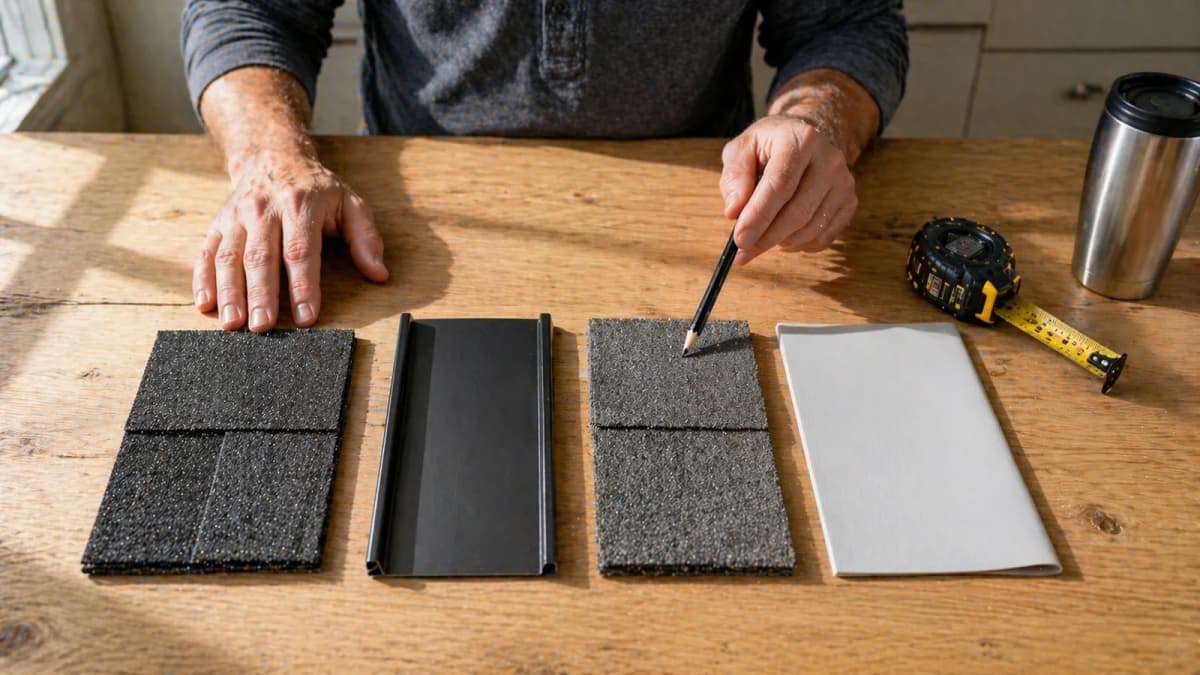
The best roofing materials for Chicago homes in 2026 are architectural asphalt shingles with a Class 4 impact rating for most single-family homes, standing seam metal for long-term owners, and TPO membrane for flat roofs on two-flats and three-flats. Chicago's combination of hail, heavy snow loads, freeze-thaw cycling, and Lake Michigan humidity demands specific material properties that mild-climate roofs do not. Matching the material to the home type and owner horizon is the single most important decision, more important than brand or color.
Bottom line: for a typical Chicago single-family home, Class 4 impact-resistant architectural asphalt shingles deliver the best value in 2026. For long-term owners planning 20+ more years in the home, standing seam metal pays back. For Chicago two-flats and three-flats with flat roofs, TPO is the code-preferred standard.
- Architectural asphalt shingles: 20 to 30 year lifespan in Chicago, $19,000 to $26,000 for a 2,000 sq ft home. Most common and practical choice.
- Class 4 impact-resistant shingles (UL 2218 rating) add $1,500 to $3,000 but earn 10 to 35 percent insurance discounts in Illinois. Rubberized SBS polymers stay flexible at below-zero temperatures.
- Standing seam metal: 40 to 70 year lifespan, $30,000 to $44,000 installed. Sheds snow naturally, eliminating ice dam formation on steeper pitches.
- Flat roof TPO: 25 to 35 year lifespan, $14,000 to $22,000 for a typical two-flat. Heat-welded seams and white reflective surface. Preferred under the Chicago Energy Transformation Code.
- Flat roof EPDM: 20 to 30 year lifespan, $10,000 to $22,000. Black rubber membrane. Taped seams are the known weak point that can fail after 10 to 15 years.
- Synthetic composite (DaVinci, Brava): 40 to 50 year lifespan, $9 to $15 per sq ft. Mimics cedar shake or slate with Class 4 impact and Class A fire ratings built in.
- Ice and Water Shield underlayment is code-required in Chicago per IRC R905.1.2 on eaves (24+ inches past warm wall) and strongly recommended in all valleys.
- Wind ratings matter: Chicago averages 60 mph gusts; shingles should be rated to at least 110 to 130 mph. Most architectural shingles meet this standard when properly installed.
What roofing material holds up best in Chicago winters?
Architectural asphalt shingles are the most proven material for Chicago's climate and remain the top choice for steep-slope roofs on single-family homes. They are specifically rated for freeze-thaw cycling, carry 30-year manufacturer warranties, and perform reliably through Chicago's full range of conditions: heavy snow loads, ice dam pressure, spring hail, and summer heat. Metal roofing lasts significantly longer (40 to 70 years) and handles ice better because snow slides off rather than accumulating. For flat roofs on Chicago two-flats and three-flats, TPO membrane is the city-preferred standard under the Chicago Energy Conservation Code.
Is asphalt shingle still worth it for Chicago homes in 2026?
Yes, for most Chicago homeowners, architectural asphalt shingle offers the best value in 2026. A full replacement costs $19,000 to $26,000 for a standard 2,000 sq ft single-family home — see our detailed cost guide for a full breakdown by material and roof type. Modern architectural shingles are substantially more durable than the three-tab shingles common on older Chicago bungalows and greystones. Key improvements include stronger fiberglass mat construction, better granule adhesion, and impact-resistant ratings (Class 3 and Class 4) that can lower your homeowner insurance premium. Class 4 impact-resistant shingles cost roughly 10 to 15 percent more than standard shingles, and some Illinois insurers offer premium discounts of 20 to 30 percent in return.
Is metal roofing a good choice for Chicago homes?
Metal roofing makes the most financial sense for Chicago homeowners who plan to stay in the property for 20 or more years. Standing seam steel and aluminum systems cost $30,000 to $44,000 installed on a typical home, but they last 40 to 70 years with minimal maintenance. Metal handles Chicago winters better than asphalt in one key way: snow sheds naturally rather than sitting and creating ice dam pressure at the eaves. The main downside is upfront cost and the longer payback period of 15 to 20 years compared to asphalt.
What is the best flat roof material for Chicago two-flats and three-flats?
TPO membrane is the best flat roof material for Chicago two-flats and three-flats. It is the standard specified under the Chicago Energy Conservation Code, performs well in freeze-thaw cycling, reflects heat in summer, and welded seams make it more watertight than older systems. A full TPO replacement runs $14,000 to $22,000 depending on square footage and existing system removal. EPDM rubber membrane is a lower-cost alternative at $10,000 to $22,000, but absorbs heat and has a shorter typical lifespan of 15 to 25 years compared to TPO's 25 to 35 years.
What are the modern roofing options available to Chicago homeowners in 2026?
Beyond standard asphalt and metal, several newer systems are gaining traction in Chicago. Composite shingles made from recycled rubber and plastic look like wood shake or slate but carry impact ratings and warranties that traditional materials cannot match, typically $12,000 to $18,000 installed. Solar shingles (most notably GAF Timberline Solar) integrate photovoltaic cells directly into the roofing layer rather than mounting panels on top — they cost significantly more upfront but qualify for the federal 30 percent solar tax credit. Cool roof coatings and reflective membranes reduce summer cooling costs on flat roofs and may qualify for rebates under Chicago energy programs for eligible buildings.
How does Chicago weather specifically damage different roofing materials?
Chicago's active storm season degrades asphalt shingles faster than in many U.S. cities by stripping protective granules and exposing the underlying mat. Freeze-thaw cycling — temperatures crossing the freezing point repeatedly through winter and spring — forces water that has entered any micro-crack to expand and contract, accelerating failure in both shingles and flashing. Ice dams form when attic heat melts snow on the roof surface and the water refreezes at the cold eaves, backing up under shingles. Metal and TPO systems are more resistant to ice dam damage than asphalt because they have fewer seams. Shingles should be installed with a minimum of six nails per shingle in Chicago wind zones per Chicago Building Code requirements.
Which roofing material adds the most value when selling a Chicago home?
A new asphalt shingle roof has the highest return on investment at resale in the Chicago market because buyers expect it and lenders and inspectors treat it as baseline. What matters most to Chicago buyers and their inspectors is the age and condition of the roof, not the premium material tier. A five-year-old standard architectural shingle roof will generally be viewed more favorably than a 12-year-old metal roof. If storm damage has affected your roof, read our repair vs replace guide before deciding on material. The exception is flat roofs on multi-unit buildings, where a newer TPO system is a clear signal to buyers that no immediate capital expense is pending.
How do I choose the right roofing material for my Chicago home?
Start with your roof geometry. Steep-slope roofs give you the widest material options including asphalt, metal, and composite. Flat or low-slope roofs require membrane systems like TPO or EPDM. Then consider your timeline: if you are staying 10 years or fewer, quality asphalt shingles are the practical and financially sound choice. If you are staying 20 or more years, metal or composite becomes worth the premium. If your existing shingles have any Class 3 or 4 impact rating, check with your insurer before replacing with a lower-rated product as you may lose a discount. Any competent Chicago roofer can assess your roof geometry and recommend the right system. See our guide on how to choose a contractor before making your final decision.
Frequently asked questions
What is the best roofing material for Chicago winters?
For steep-slope homes, Class 4 impact-resistant architectural asphalt shingles with SBS polymer modification perform best through Chicago winters. They stay flexible below zero, resist hail, and handle freeze-thaw cycles. For long-term owners, standing seam metal sheds snow naturally and lasts 40 to 70 years. For flat roofs on two-flats, TPO membrane is the Chicago standard.
Is asphalt shingle still the best choice for most Chicago homes?
Yes, for most Chicago single-family homes architectural asphalt shingles offer the best value in 2026. Cost is $19,000 to $26,000 for a 2,000 sq ft home, lifespan is 20 to 30 years, and Class 4 variants earn meaningful insurance discounts. Unless you plan to own the home 30+ more years (favoring metal) or have specific architectural requirements, asphalt remains the practical choice.
Is metal roofing worth the extra cost in Chicago?
Metal roofing costs $30,000 to $44,000 installed compared to $19,000 to $26,000 for architectural asphalt, so the premium is $10,000 to $20,000 upfront. The payback period in Chicago is typically 15 to 20 years through extended lifespan and reduced maintenance. Metal makes financial sense primarily for owners planning 20+ more years in the home.
What is the best flat roof material for Chicago two-flats?
TPO membrane is the Chicago standard for two-flat and three-flat flat roofs, costing $14,000 to $22,000 installed with a 25 to 35 year lifespan. Heat-welded seams create a single-piece watertight surface, and the white reflective color meets Chicago Energy Transformation Code requirements. EPDM at $10,000 to $22,000 is a lower-cost alternative with shorter lifespan.
Are Class 4 impact-resistant shingles worth it in Chicago?
Class 4 impact-resistant shingles are typically worth the $1,500 to $3,000 upgrade on a 2,000 sq ft Chicago home. UL 2218 Class 4 rating means the shingle survives a 2-inch steel ball dropped from 20 feet without cracking. Illinois insurers including State Farm and USAA offer 10 to 35 percent premium discounts, often making the upgrade cost-neutral within a few years.
What synthetic composite roofing options work for Chicago?
Synthetic composite roofing from manufacturers like DaVinci and Brava delivers cedar shake or slate appearance with 40 to 50 year lifespan and near-zero maintenance. Cost runs $9 to $15 per sq ft installed. These products carry Class 4 impact and Class A fire ratings built in, making them well-suited to Chicago weather without the maintenance burden of natural wood or the structural weight of natural slate.
How important is Ice and Water Shield for a Chicago roof?
Ice and Water Shield is code-required in Chicago under IRC R905.1.2 on eaves, extending at least 24 inches past the warm wall line (typically 3 to 4 feet total on a standard eave). Most Chicago contractors also apply it in all roof valleys as best practice, since that is where ice dams cause the most leaks. Skipping it is a clear quality red flag.
What wind rating should a Chicago shingle have?
Chicago averages 60 mph wind gusts during storm season, with peaks reaching 80+ mph. Asphalt shingles should be rated to at least 110 mph, with 130 mph preferred. Most architectural shingles meet the 130 mph rating when installed with the manufacturer's specified nailing pattern (typically 6 nails per shingle in high-wind zones). 3-tab shingles often top out at 60 to 70 mph and are a poor choice.
Does the roofing material affect Chicago home resale value?
Yes. Chicago home inspectors flag visibly aged or damaged roofs, which can delay closings or force price reductions. New architectural asphalt returns about 50 to 70 percent of the investment at resale. Metal and premium synthetic roofs often return less of the absolute premium but signal home quality and can accelerate sale. The cleanest win is any roof under 10 years old with documented permit and warranty paperwork.
How do I choose the right roofing material for my Chicago home?
Match material to four factors: how long you plan to stay (under 15 years favor architectural asphalt; 20+ favor metal), budget tier (asphalt $19-26K, metal $30-44K, composite $25-50K, slate $40K+), roof type (pitched vs flat changes options entirely), and neighborhood aesthetic (some historic Chicago districts limit material choices). For most Chicago homeowners, Class 4 architectural asphalt is the best starting point for evaluation.
What to do next
Start by identifying your home type (single-family pitched roof vs two-flat with flat roof) and your ownership horizon. For typical single-family homes, get estimates on Class 4 architectural asphalt as your baseline, then optional quotes on standing seam metal and synthetic composite for comparison. For flat roofs, request TPO and EPDM estimates from contractors experienced with Chicago two-flats. See our cost guide for baseline pricing and materials comparison for a deeper side-by-side.
Have questions about roof replacement in Chicago?
CALL NOW (844) 578-0719Free consultation. No obligation.Guides for homeowners
How to Choose a Roof Replacement Contractor in ChicagoAverage Cost of Roof Replacement in Chicago in 2026Signs Your Roof Needs Replacement in ChicagoStorm Damage Roofing Chicago Roof Repair and Replacement After StormHow to Check a Roof Replacement Contractor in ChicagoHow to Save Money on Roof Replacement in ChicagoRoof Repair or Full Replacement After Storm Damage in Chicago?Best Roofing Materials for Chicago: What Survives the Cold, Ice, and WindRoofing Materials Comparison for Chicago Homes: Cost, Lifespan, and Performance in 2026Ice Dams on Chicago Roofs: Causes, Damage, Prevention, and When to Replace