Signs Your Roof Needs Replacement in Chicago
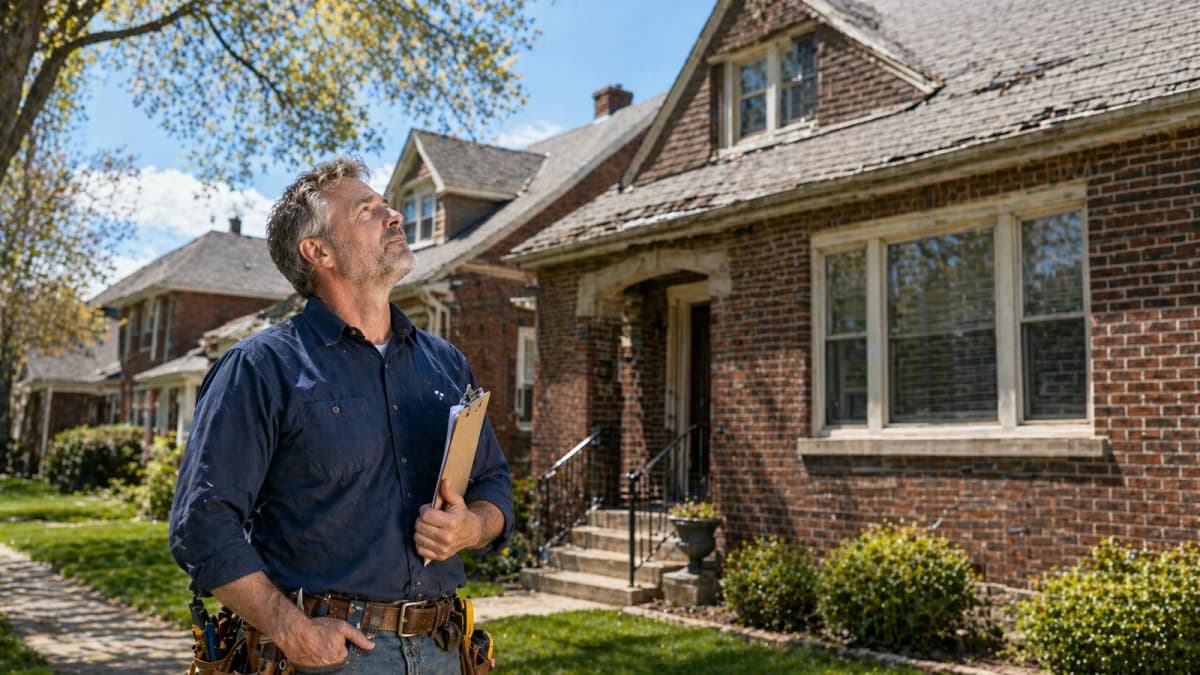
A Chicago roof typically needs replacement when it reaches 20 years of age, shows damage to more than 30 percent of shingles, or when repair costs exceed 40 percent of the price of a new roof. Common warning signs include curling or missing shingles, excessive granule loss in gutters, daylight visible through attic boards, and ice dam damage from previous winters. Ignoring these signs is the single biggest reason Chicago homeowners end up with interior water damage that costs more to repair than the roof itself.
Bottom line: if your Chicago roof is 20 years old or older, or shows three or more warning signs listed below, schedule a professional inspection this season. Early replacement costs less than water damage repair plus emergency roof work combined.
- Asphalt shingle lifespan in Chicago: 20 to 30 years for architectural shingles; 15 to 20 years for 3-tab. Freeze-thaw cycling and hail shorten the typical Midwest lifespan by 3 to 5 years compared to milder climates.
- 30 percent damage rule: when more than 30 percent of shingles show visible damage, full replacement is more cost-effective than piecemeal repair.
- 40 percent repair cost rule: if repair costs exceed 40 percent of a new roof, replacement is the financially sound choice for most Chicago homes.
- Granule loss in gutters is the earliest visible sign of shingle failure. A half-cup of granules after a rainstorm signals mid-to-late life shingles worth inspecting.
- Curling or cupping shingles indicate heat damage or aging adhesive. These shingles no longer seal against Chicago wind and are prone to blow-off in 50+ mph storms.
- Daylight visible through attic boards indicates advanced sheathing or underlayment failure. This is almost always a full replacement situation, not a repair.
- Ice dam damage from previous winters often leaves hidden decking rot. Any visible staining on attic rafters or ceilings below the eaves warrants an inspection.
- Sagging roofline indicates structural damage and requires immediate professional assessment, which can signal water-saturated decking or truss failure.
How do I know if my Chicago roof needs full replacement or just a repair?
Your Chicago roof needs full replacement when it is 20 or more years old, when damage covers more than 30% of the surface, when you have had more than two repairs in five years, or when your repair estimate exceeds 25–30% of what a full replacement would cost. A single isolated leak on a roof under 12 years old is typically a repair. Chicago's freeze-thaw cycling and frequent hail events during storm season accelerate roof aging faster than the national average — roofs here often wear out sooner than manufacturer warranties suggest. See our repair vs replace guide for a full decision framework.
What do water stains on the ceiling mean for a Chicago homeowner?
Brown or yellow stains on interior ceilings are a strong indicator of an active or recent roof leak. In Chicago's freeze-thaw climate, ceiling stains often appear in late winter or early spring as ice dams melt and force water under shingles. The stain location rarely marks the actual entry point — water travels along rafters and insulation before dripping through. Do not wait for the stain to grow. Call for a professional assessment before the next rain event, as each wet cycle extends water damage deeper into the structure.
What do granules in gutters mean for a Chicago roof?
Granules in gutters mean your asphalt shingles are nearing the end of their useful life. Chicago's storm season strips granules faster than in many U.S. cities, exposing the underlying fiberglass mat to UV and moisture. A small amount of granules in gutters after a single storm is normal. A consistent, heavy deposit throughout the season — especially if gutters look black or sandy — means replacement is likely within 1–3 years. Granule loss also signals that your roof may no longer qualify for full insurance replacement value if a major storm hits.
Is a sagging roof an emergency in Chicago?
Yes. A roof that sags or bows in any section is a structural emergency requiring immediate professional assessment. Sagging indicates rotted decking, failed rafters, or water damage that has compromised the structural layer beneath the shingles. In Chicago, this is most common after heavy snow loads or prolonged ice dam pressure through winter. Do not walk in the attic space below a sagging section without professional evaluation. Any licensed Chicago roofer can carry out an emergency assessment.
How old is too old for an asphalt shingle roof in Chicago?
Asphalt shingle roofs in Chicago typically last 20–25 years — shorter than the national average due to the city's freeze-thaw cycling and active storm season. By age 15, most Chicago roofs begin showing accelerated wear. By age 20, Illinois insurance companies increasingly restrict coverage or decline renewal. If your roof is 18 or older, budget for replacement within the next 3–5 years regardless of visible condition. A roof over 20 years old that sustains any meaningful storm damage should almost always be replaced rather than repaired.
What does flashing damage look like on a Chicago roof?
Flashing damage appears as lifted, buckled, or rust-stained metal around chimneys, skylights, and vents. Flashing — the metal strips sealing these joints — is the most common leak point on Chicago roofs. Inside, flashing failure shows up as ceiling stains directly below a chimney or skylight. Chicago's freeze-thaw cycles work metal joints repeatedly and crack sealant over time. Replacing failed flashing runs $200–$600 and is always less expensive than the water damage and rot that follows if ignored.
When should I call a Chicago roofer immediately rather than waiting?
Call immediately if you see: active water entry during rain, daylight visible through attic boards, large sections of missing shingles after a storm, or any visible sagging or bowing in the roof surface. These conditions worsen with each rain or freeze event. Chicago's storm season (April through October) means a damaged roof can sustain multiple damaging events within weeks. For smaller damage — a few missing shingles, minor flashing damage with no interior signs — a scheduled repair within two weeks is acceptable if the weather forecast is clear.
Frequently asked questions
How long does an asphalt shingle roof last in Chicago?
Architectural asphalt shingles in Chicago typically last 20 to 30 years; 3-tab shingles 15 to 20 years. Freeze-thaw cycling, hail exposure, and wind uplift from Lake Michigan shorten the typical lifespan by 3 to 5 years compared to milder climates. Class 4 impact-resistant shingles last 25 to 30 years even in harsh Chicago conditions.
When should I replace my roof in Chicago?
Replace your Chicago roof when it reaches 20 or more years old, when more than 30 percent of shingles are damaged, when daylight is visible through attic boards, or when repair costs exceed 40 percent of replacement. A single isolated leak on a roof under 10 years old is typically a repair situation rather than full replacement.
What does granule loss on shingles mean?
Granule loss is the earliest visible sign of shingle aging. Granules protect the asphalt layer from UV damage; once they wash away, the shingle deteriorates rapidly. Finding a half-cup or more of granules in gutters after a rainstorm indicates mid-to-late life shingles worth having professionally inspected before the next winter.
What causes shingles to curl in Chicago?
Curling shingles in Chicago result from heat damage, aging asphalt, poor attic ventilation, or repeated freeze-thaw cycling. Curled or cupped shingles no longer seal against wind and lift easily in Chicago's 50+ mph gust storms. Curling across a full south or west slope usually indicates full replacement is due.
Is one leak enough reason to replace my whole roof?
Not necessarily. A single isolated leak on a roof under 10 years old is typically a repair, usually a failed flashing, boot vent seal, or nail pop. However, a leak on a roof over 15 years old often signals broader underlayment failure and should trigger a full inspection before deciding between repair and replacement.
What are signs of ice dam damage in Chicago?
After a Chicago winter, look for: water staining on ceilings below eaves, peeling paint on interior walls adjacent to the roofline, icicles forming along gutters, visible ice ridges at the roof edge, and insulation appearing compressed or wet in the attic. Ice dam damage often results in hidden decking rot that surfaces later.
How do I know if my roof has storm damage?
After a Chicago storm, check for: missing or displaced shingles on the windward slope, bruising on shingles from hail, dented metal flashing and gutters, granule piles at downspouts, and ceiling stains inside. Document damage within 48 hours and get a licensed contractor's written assessment before calling your insurer about a claim.
Should I replace my roof if I'm planning to sell my Chicago home?
An aging or visibly damaged roof reduces resale value and can delay closing. Chicago home inspectors typically flag roofs over 20 years old. Replacing before listing often returns 50 to 70 percent of the investment at resale and removes the biggest objection Chicago buyers raise during the inspection contingency period.
What happens if I delay roof replacement too long?
Delayed replacement leads to: interior water damage (typically $3,000 to $15,000 to repair), attic insulation saturation and replacement ($1,500 to $4,000), possible mold remediation ($2,000 to $8,000), decking replacement during the eventual roof job (+$1,000 to $3,000), and potentially structural truss repairs. The delay rarely saves money in the end.
Can a Chicago roof be replaced in winter?
Yes, but with caveats. Asphalt shingles require a minimum surface temperature of about 40°F for proper sealing, which limits winter installation windows. Emergency winter replacements are possible but often carry a 10 to 15 percent premium and may use temporary materials until spring allows a permanent solution. Spring through late fall remains the preferred installation window in Chicago.
What to do next
Start with a visual exterior check from the ground and a quick attic inspection with a flashlight. If you see three or more warning signs above, schedule a professional roof inspection, which most Chicago contractors offer free. Document everything with photos dated in your phone's metadata, which helps if storm damage appears later. See our storm damage guide for the post-storm checklist, and how to choose a contractor for what to verify before any inspector steps on your roof.
Have questions about roof replacement in Chicago?
CALL NOW (844) 578-0719Free consultation. No obligation.Guides for homeowners
How to Choose a Roof Replacement Contractor in ChicagoAverage Cost of Roof Replacement in Chicago in 2026Signs Your Roof Needs Replacement in ChicagoStorm Damage Roofing Chicago Roof Repair and Replacement After StormHow to Check a Roof Replacement Contractor in ChicagoHow to Save Money on Roof Replacement in ChicagoRoof Repair or Full Replacement After Storm Damage in Chicago?Best Roofing Materials for Chicago: What Survives the Cold, Ice, and WindRoofing Materials Comparison for Chicago Homes: Cost, Lifespan, and Performance in 2026Ice Dams on Chicago Roofs: Causes, Damage, Prevention, and When to Replace